We are here because of..
simplify complex technical concepts and make them accessible to all.
This blog is related to technology is to share knowledge, ideas, and insights about the rapidly evolving digital world. It serves as a platform to inform and educate readers about the latest trends, innovations, tools, and advancements in technology.
10+ yrs in technologies.
Article
Welcome to our technology blog—a space created for curious minds, tech enthusiasts, and anyone interested in understanding the digital world
Hello World! 11-Oct-2026
Data Centers: The Backbone of the Digital World.
Introduction
In today's digital age, data centers play a vital role in supporting modern technology and business operations. From social media and online banking to cloud computing and artificial intelligence, almost every digital service depends on data centers. These facilities store, process, manage, and distribute enormous amounts of digital information, making them an essential part of the global digital infrastructure.
What Is a Data Center?
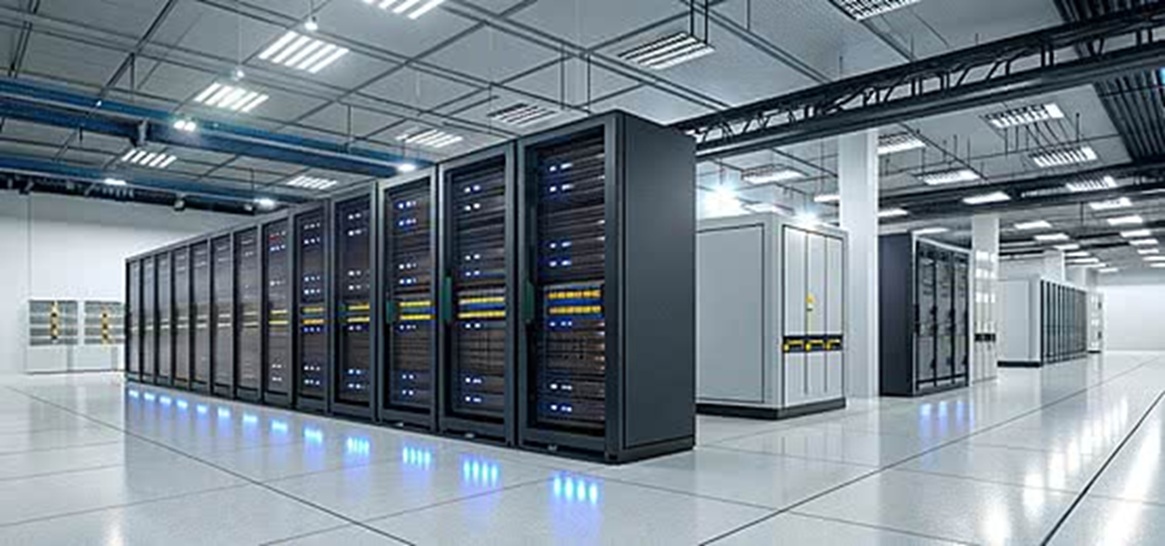
A data center is a specialized facility that houses computer servers, storage systems, networking equipment, and other IT infrastructure. It is designed to operate continuously and securely while providing reliable access to data and applications. Data centers may be owned by private organizations, cloud service providers, government agencies, or companies that offer data storage and computing services to other businesses.
Key Components of a Data Center
A data center consists of several important components that work together to ensure efficient operations. 1. Servers: Servers process data, run applications, host websites, and provide computing resources to users. 2. Storage Systems: These systems store large volumes of information, including documents, databases, images, videos, and business records. 3. Networking Equipment: Routers, switches, and other networking devices connect servers to each other and to external networks, enabling fast and reliable communication. 4. Power Supply: Reliable electricity is essential for uninterrupted operations. Backup generators, batteries, and uninterruptible power supply systems help maintain service during power interruptions. 5. Cooling Systems: Servers generate significant amounts of heat. Cooling systems maintain suitable operating temperatures and help prevent equipment failures. 6. Security Systems: Physical access controls, surveillance cameras, fire protection, and cybersecurity measures help protect equipment and sensitive information.
Types of Data Centers
There are several types of data centers based on their ownership, infrastructure, and purpose. Enterprise data centers are operated by organizations for their internal requirements. Colocation data centers allow businesses to rent space, power, cooling, and connectivity for their own equipment. Cloud data centers support cloud computing services and provide scalable resources over the internet. Hyperscale data centers are very large facilities designed to support massive computing workloads for major technology companies. Edge data centers, meanwhile, process data closer to users and connected devices to reduce latency.
Importance of Data Centers
Data centers are essential for digital transformation across industries. Banks use them to process transactions securely, hospitals rely on them to manage electronic health records, and educational institutions use them to support online learning. Businesses depend on data centers for communication, analytics, enterprise applications, and disaster recovery. The growing adoption of artificial intelligence, the Internet of Things, big data, and cloud computing has increased demand for data center capacity. These facilities also help organizations improve scalability, availability, and operational efficiency.
Challenges and Sustainability
Despite their benefits, data centers face challenges such as high energy consumption, cooling requirements, cybersecurity threats, and infrastructure costs. To address these issues, operators are adopting energy-efficient servers, renewable energy, advanced cooling technologies, and intelligent monitoring systems. Efficient water management and responsible electronic waste disposal are also becoming increasingly important.“Using well-considered articles to create clear, organised, and significant reading experiences.”